


“Concrete is the marble of our time,” architect Le Corbusier once declared.
Yet for decades, Brutalist buildings - their raw concrete skins streaked with rain, their heavy geometries casting long shadows - have been dismissed as cold, harsh, or worse: ugly. This judgment misses the very point of Brutalism, and the quiet radical beauty it offers.
Brutalism emerged in the mid-20th century as a counter-argument to decorative modernism. Le Corbusier’s post-war work in Marseille, especially the Unité d’Habitation (1952), set the tone: exposed béton brut (“raw concrete”) became both structure and ornament.
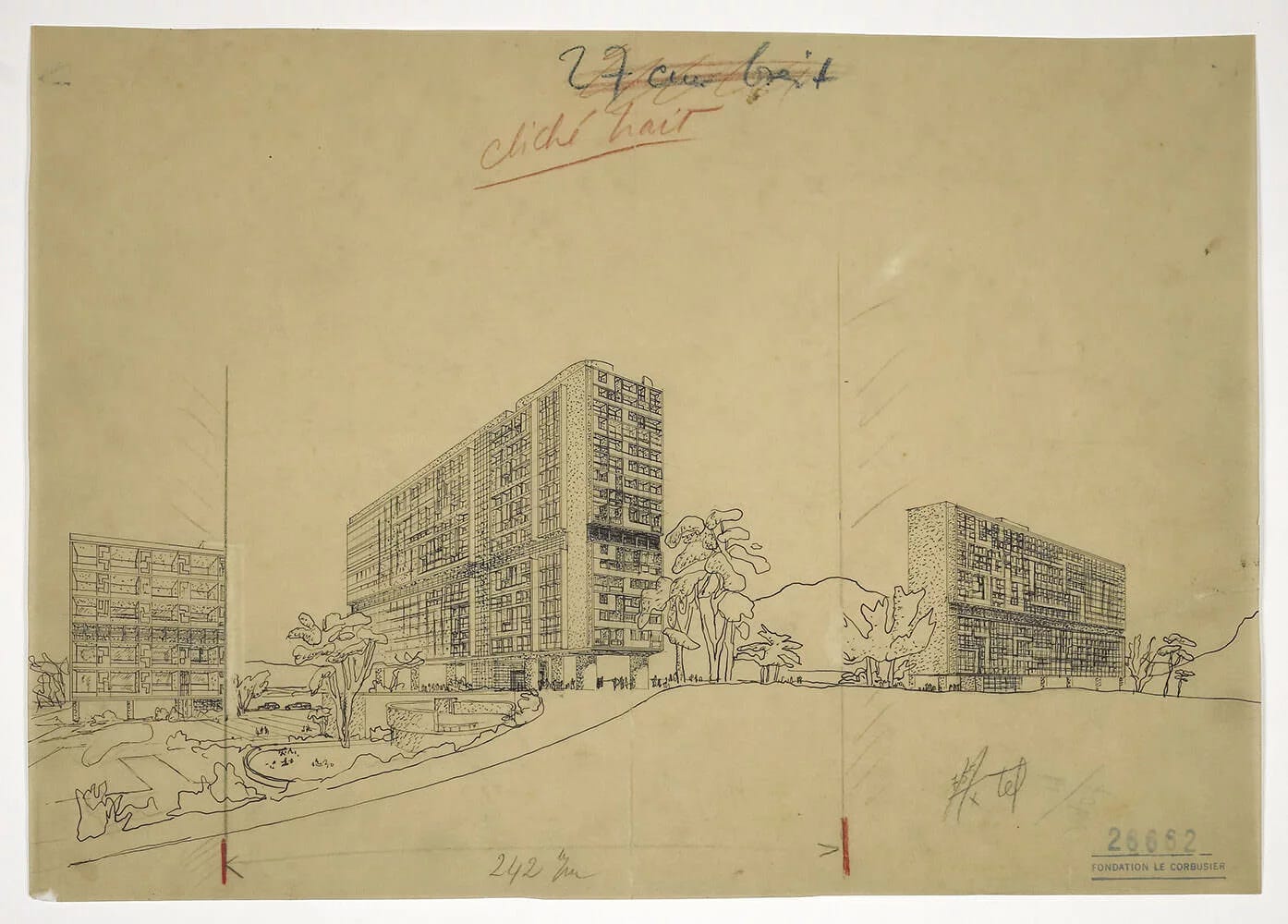
Architects like Alison and Peter Smithson carried the idea forward in Britain, designing schools and social housing that celebrated material honesty and social purpose.
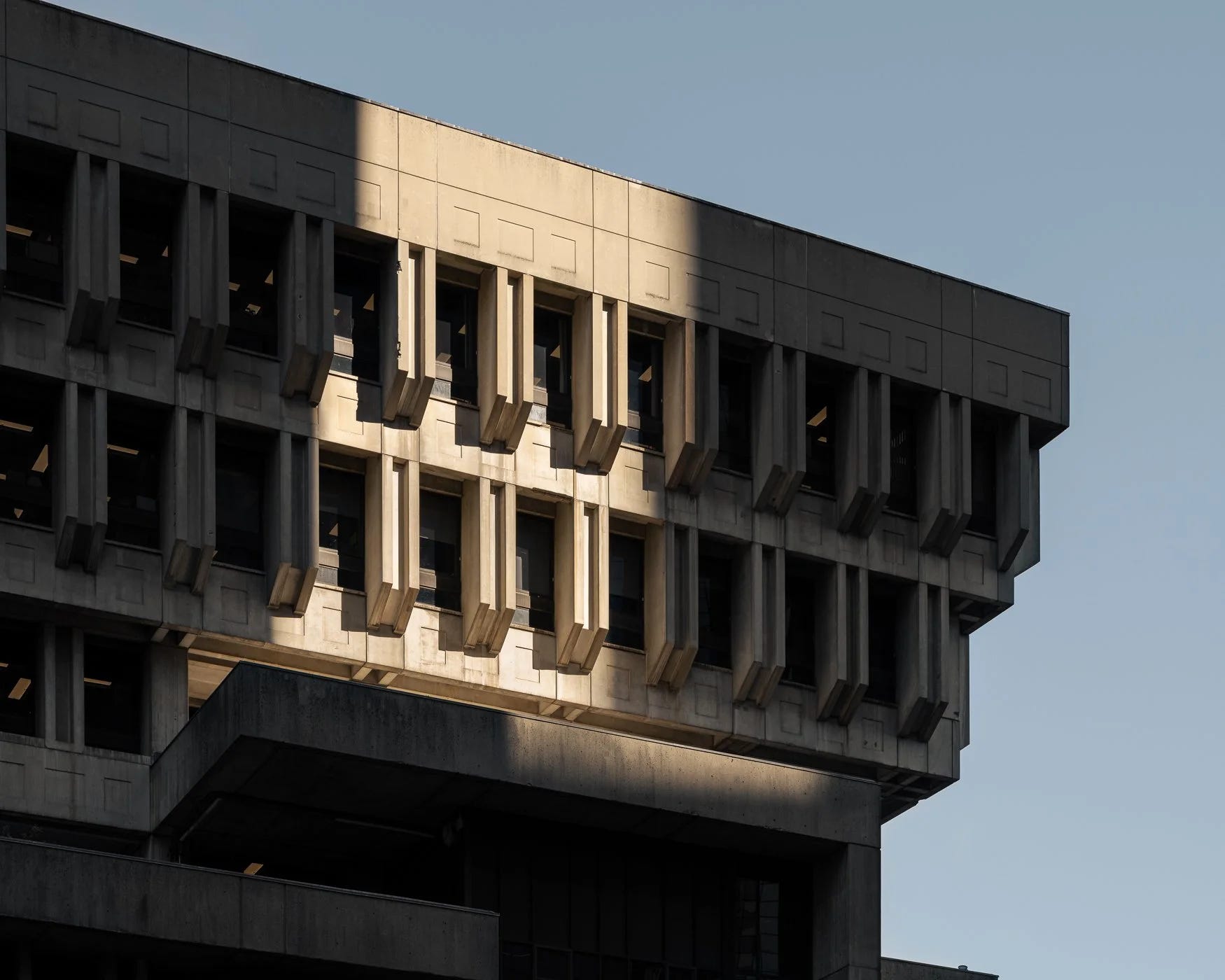
In Boston, Paul Rudolph’s Government Service Center and Kallmann McKinnell & Knowles’ Boston City Hall pushed the style toward sculptural monumentality.
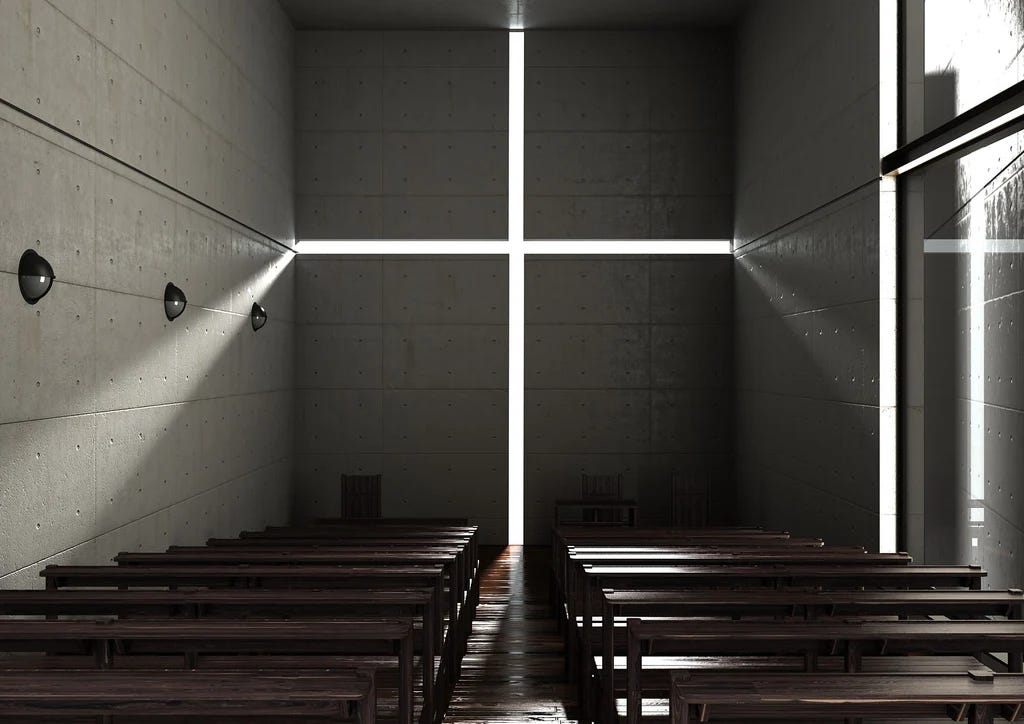
In Japan, Tadao Ando later translated Brutalism’s concrete language into serene, spiritual spaces like the Church of the Light.
Calling these works “ugly” is to view them only as surfaces. Brutalism is not about prettiness - it is about truth of material and clarity of structure. The rough board-formed concrete, the bold cantilevers, the uncompromising geometries are a declaration: nothing is hidden.
Light and shadow do the ornamenting; weather and time write their own patina. In an era of the disposable and algorithmic trends, Brutalism offers a case for ethics as much as an aesthetic: honesty, permanence, and presence.
Stand beneath the muscular overhang of London’s Barbican, or feel the quiet gravity inside Ando’s concrete chapel, and the supposed “ugliness” dissolves into awe.
These buildings are not cold - they are alive with weight, silence, and the play of natural light.
Brutalism asks us to slow down, to touch the grain of the formwork, to feel how shadow moves across an unadorned wall.
It reminds us that beauty is not always smooth or easy.
Sometimes, beauty is simply truth made visible.
—
Fragments of permanence, delivered.